

Travel in 2026 brings exciting possibilities—and new responsibilities. Between evolving vaccine guidance, faster (but sometimes complex) insurance claims, and smarter on-the-ground safety practices, U.S. travelers who plan carefully spend less time worrying and more time enjoying the trip. This guide gives you practical, up-to-date advice on vaccines, what to know about travel insurance claims, and concrete safety & health tips to travel smarter next year.
1. Vaccines & Preventive Health: What to Know for 2026

-
Check destination-specific vaccine recommendations early. Many countries now publish up-to-date entry and public-health guidance; check official government or public-health sites before booking.
-
Routine adult vaccinations still matter. Make sure tetanus, MMR (measles, mumps, rubella), and flu shots are current—these protect you and make international travel smoother.
-
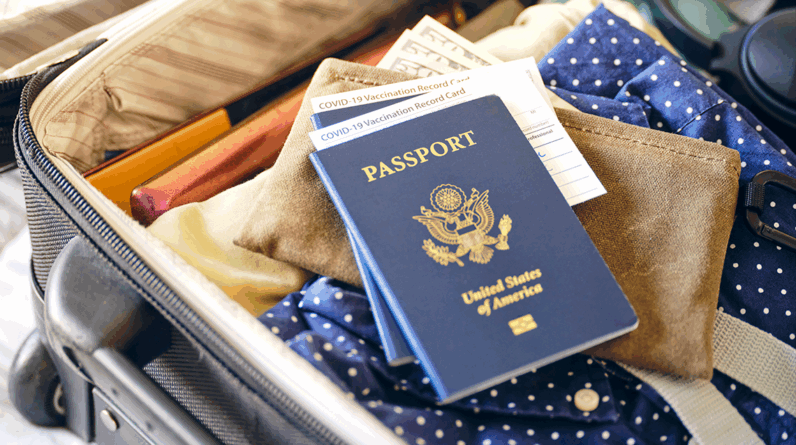
COVID-19 guidance is stable but flexible. Expect some destinations to keep proof of vaccination or testing policies for specific events or high-risk settings. Carry digital and physical proof if you’ve received updated boosters.
-
Consider destination risks (e.g., yellow fever, typhoid). If traveling to tropical or remote regions, get recommended immunizations and advisories 4–6 weeks before departure so immunities take effect.
-
Stay up-to-date on travel health alerts. Use CDC travel notices and your doctor’s advice—local outbreaks or vector-borne disease seasons can change rapidly.
2. Travel Insurance in 2026: Coverage, Claims, and Best Practices

-
Buy early—right after booking. Purchasing insurance as soon as you book protects prepaid, nonrefundable costs and opens cancellation coverage windows (including many “cancel for any reason” upgrades).
-
Know the difference: trip cancellation vs. interruption vs. medical evacuation. Cancellation covers prepaid losses; interruption covers cut-short trips; evacuation covers transport to a medical facility or home. Make sure emergency medical and evacuation limits are high enough for international care.
-
Document everything for claims. Save receipts, medical reports, photos of damages, flight change notifications, and correspondence. Digital copies plus a backup in your email make filing faster.
-
Use insurer apps. Many 2026 insurers offer in-app claims with chat, telemedicine, and instant claim uploads—use them to speed approvals.
-
Watch for common claim denials. Typical reasons include late filing, lack of documentation, or pre-existing condition clauses. Read policy fine print about exclusions and pre-existing conditions before buying.
-
Consider annual multi-trip plans if you travel frequently. They’re often cheaper and more convenient than separate single-trip policies.
-
Check credit card protections. Some premium travel cards include trip delay/cancellation or baggage protections—stack these with a policy for broader coverage.
3. On-the-Ground Health & Safety Tips

-
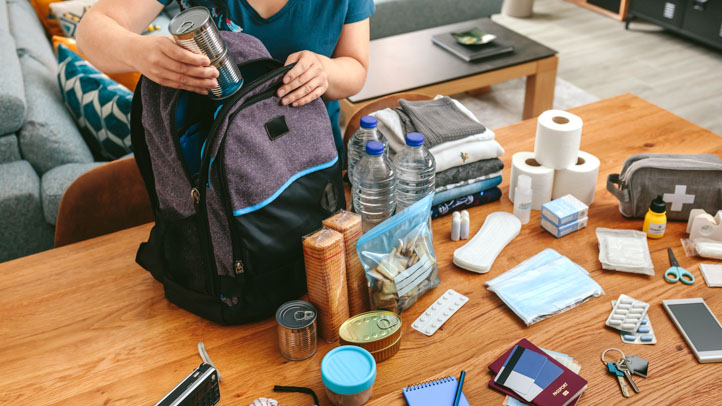
Pack a compact health kit. Include basic meds (pain reliever, anti-diarrheal), blister care, travel-size disinfectant, adhesive bandages, and any prescription meds in original containers with a copy of your script.
-
Use telemedicine for minor issues. Many insurers and apps provide telehealth consultations abroad—this avoids unnecessary ER visits and speeds treatment.
-
Know local emergency numbers and nearest hospitals. Before landing, note the closest hospital, 24/7 pharmacy, and emergency contacts for your hotel or villa.
-
Practice food and water caution in higher-risk places. Favor bottled or properly purified water, and choose busy, reputable eateries for cooked meals.
-
Maintain sleep and hydration—don’t underestimate jet lag. Sleep management reduces susceptibility to illness and keeps you alert in unfamiliar places.
-
Keep copies of important documents. Have digital scans of passport, visa, insurance policy, and emergency contacts stored securely (encrypted cloud or password manager).
-
Use layers and sun protection. Extreme weather swings and sun exposure are common travel hazards—pack SPF, hat, and a light, waterproof layer.
4. Safety Tech & Tools That Matter in 2026

-
Real-time alerts: Enable alerts from your airline, travel insurer, and the U.S. State Department for emergency notices and safety updates.
-
Location sharing: Use trusted apps to share your itinerary with one trusted contact—many phones and travel apps support timed location sharing.
-
Wearable health tech: Smartwatches with fall detection, heart-rate alerts, or SOS features can be life-saving in remote destinations.
-
Offline maps & translation: Download maps and key phrases offline so you’re not stranded without directions or the ability to ask for help.
5. COVID & Respiratory Etiquette — Practical, Not Panicked
-
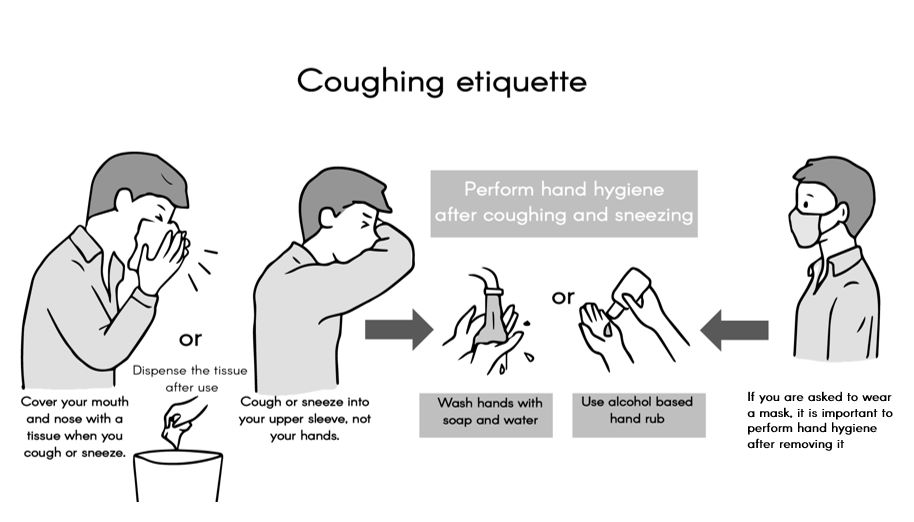
Masking remains situational. In crowded transport hubs, hospitals, or if you’re high risk, wear a mask. Carry a few high-quality masks for flights or transit.
-
Respect local norms. Some countries or venues still require masks or health checks—observe local rules to avoid fines or denied entry.
-
Ventilation matters. Choose outdoor dining or well-ventilated venues when possible. On planes, HEPA filtration is effective—use it as one layer of protection.
6. Special Considerations for Families & Older Travelers

-
Children: Confirm pediatric vaccine requirements and pack child-friendly meds and comfort items. Consider travel insurance that covers family cancellations and pediatric care.
-
Older adults: Make sure medical records and a medication list are easily accessible. Notify your doctor of travel plans—some pre-travel tests or prophylactic meds may be recommended.
-
Pregnancy: Airline policies and insurance rules vary; check both before booking and buy coverage that includes maternal care and potential evacuation.
7. Practical Checklist: Before You Leave
-
Confirm vaccinations and boosters relevant to your destination.
-
Buy travel insurance and save policy number and claim instructions.
-
Digitally store passport, insurance, and emergency contacts.
-
Pack a basic medical kit and any prescriptions (in original packaging).
-
Download insurer app, telemedicine app, offline maps, and local emergency numbers.
-
Leave itinerary with a trusted person at home and enable limited location sharing.
Conclusion
Travel safety and health in 2026 demand a mix of foresight and practical habits: get the right vaccines, secure smart travel insurance early, and prepare for on-the-ground contingencies with clear documentation and simple tech tools. With a bit of planning you can reduce risk, file claims efficiently if needed, and enjoy travel with confidence—wherever the year takes you.